How Foundry Solutions Enhance Manufacturing Performance and High Quality in Industrial Applications
Factory solutions play a necessary function in boosting production effectiveness and high quality throughout various industrial applications. By executing innovative steel spreading strategies, these solutions ensure parts are produced with precision and uniformity. This not only lowers preparations but also minimizes waste, promoting much better partnership in between factories and makers. The impact of top quality parts on functional efficiency increases crucial concerns concerning the future of commercial manufacturing. What advancements lie in advance in this evolving landscape?
The Duty of Foundry Solutions in Streamlining Manufacturing Processes
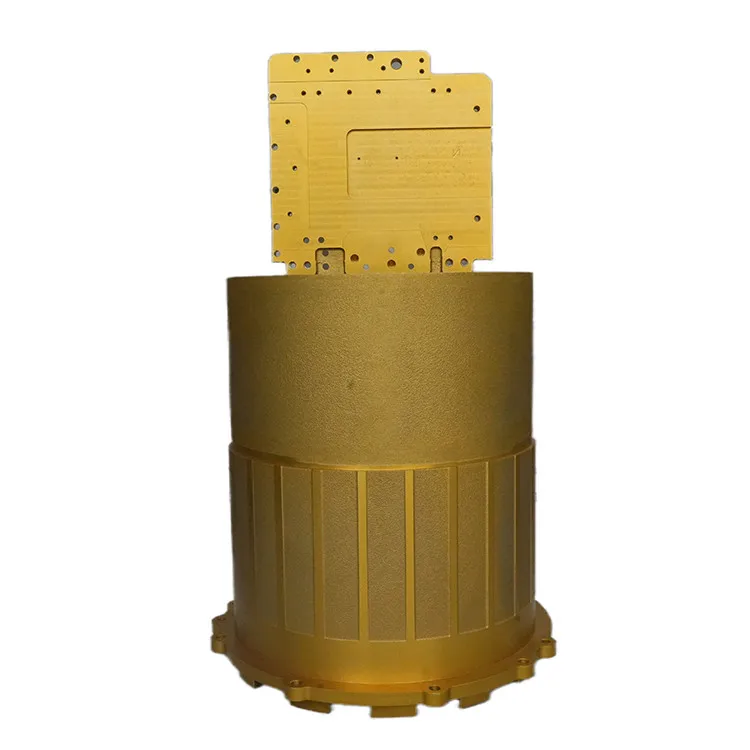
Foundries typically supply experience in alloy advancement, enabling manufacturers to make use of advanced materials that improve item efficiency. The collaboration in between producers and shops cultivates a much better understanding of manufacturing needs, resulting in maximized procedures and improved product designs. By leveraging shop services, manufacturers can attain better flexibility, adjust to altering market demands, and keep competition in the industry. On the whole, the function of factory solutions is essential in facilitating a more reliable and economical manufacturing landscape.
Advanced Technologies in Factory Operations
Innovative modern technologies are changing foundry procedures, substantially enhancing efficiency and accuracy. Automation plays an essential role, with robot systems simplifying recurring jobs such as molding and product handling. Additionally, advancements in computer-aided design (CAD) and computer-aided production (CAMERA) systems make it possible for foundries to create complicated geometries with better precision and reduced product waste.
The combination of fabricated intelligence (AI) and maker understanding boosts high quality control by monitoring procedures in real-time and forecasting potential flaws prior to they take place. Using innovative materials, such as light-weight alloys and composites, even more improves the efficiency qualities of cast products.
Furthermore, 3D printing technology is revolutionizing prototyping and tooling, enabling rapid modification and reduced preparations. Jointly, these innovative modern technologies not just boost production efficiency however likewise ensure that the end products meet stringent top quality requirements, placing factories at the leading edge of modern commercial applications.
Reducing Lead Times Through Effective Foundry Practices
Reliable foundry methods play a crucial role in minimizing lead times within manufacturing environments. By carrying out structured production processes and progressed organizing methods, suppliers can improve process and enhance resource allowance. These renovations not only speed up outcome but additionally add to overall operational performance.
Structured Manufacturing Processes
Improving production processes is essential for decreasing lead times in the manufacturing industry. Efficient factory techniques, consisting of enhanced workflows and resource management, play an essential duty in attaining this objective. By lessening waste and boosting interaction amongst groups, shops can greatly boost their functional effectiveness. The execution of standard procedures also adds to regular top quality and faster turn-around times, allowing suppliers to react even more swiftly to market needs. Additionally, the assimilation of sophisticated modern technologies, such as automation and real-time surveillance systems, aids in recognizing traffic jams and promoting prompt interventions. Generally, a concentrate on structured production processes not only accelerates lead times but likewise boosts the total competition of commercial applications, ensuring that items meet client expectations successfully.
Advanced Scheduling Techniques
Reliable production processes naturally lead suppliers to discover advanced organizing techniques as a way to even more decrease lead times. By using innovative formulas and software application, factories can maximize workflows, aligning manufacturing routines with need projections and source availability. Techniques such as Just-In-Time (JIT) scheduling reduce supply prices while ensuring timely material delivery, thus enhancing operational effectiveness. In addition, integrating real-time data analytics enables factories to expect possible hold-ups and change routines proactively. This adaptability not just simplifies operations yet likewise improves general productivity. Collaborative planning with customers and distributors can foster a more integrated supply chain, more decreasing lead times. Eventually, these sophisticated organizing strategies encourage foundries to attain greater effectiveness and remarkable top quality in their manufacturing processes.
Guaranteeing Precision and Top Quality in Steel Spreading
Assuring accuracy and top quality in steel spreading needs a thorough approach that encompasses every phase of the manufacturing procedure. This procedure begins with careful style and design of the mold and mildews, ensuring they can stand up to the molten steel's temperature level and stress. The option of high-quality resources is essential, as pollutants can endanger the final item.
As soon as the products are prepared, specific temperature level control throughout melting and putting is essential to accomplish the wanted residential properties in the cast steel. Keeping track of solidification and cooling prices more warranties dimensional accuracy and surface area coating.
Quality control techniques, such as non-destructive screening and inspection, are vital to recognizing issues early at the same time. aluminum casting. In addition, utilizing experienced employees who recognize the nuances of steel spreading contributes substantially to preserving high standards. Generally, these practices jointly enhance the integrity and performance of actors components in numerous industrial applications
Decreasing Waste and Maximizing Resource Utilization
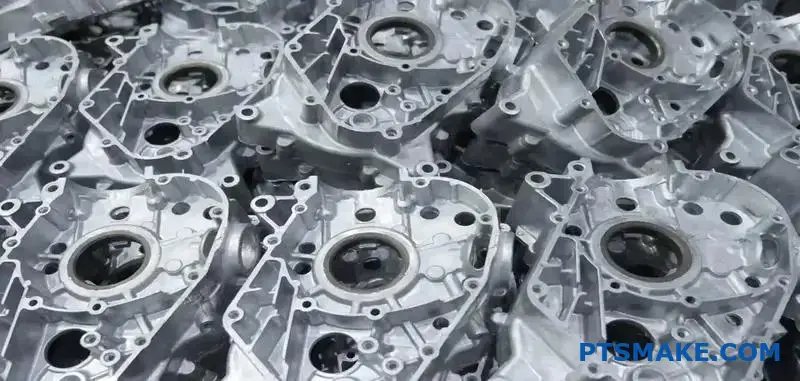
Additionally, reusing scrap metal within the foundry itself can significantly decrease waste, transforming spin-offs into functional resources. Lean producing principles likewise add to squander reduction by streamlining processes and eliminating unneeded actions, bring about more efficient procedures.
Additionally, regular maintenance of tools guarantees peak performance, preventing breakdowns that can result in wasted materials. By concentrating on these techniques, foundries not only minimize expenses but additionally add to lasting practices, lining up with the growing demand for eco responsible manufacturing techniques in industrial applications.
The Affordable Advantage of High-Quality Elements in the marketplace
High-quality components offer a significant competitive benefit in the foundry market, where precision and resilience are vital. Producers that focus on remarkable products and craftsmanship can improve article item efficiency and dependability, resulting in increased customer complete satisfaction. This benefit is especially apparent in industries such as automotive and aerospace, where element failure can have disastrous repercussions.
Moreover, top notch elements often lead to reduced maintenance prices and extended item life-spans, which can be enticing selling points for possible customers. As market demands expand for sustainable and reliable modern technologies, the emphasis on high quality ends up being much more important. Companies that invest in top quality foundry services not only enhance their manufacturing procedures but likewise distinguish themselves from competitors that might give up review top quality for cost financial savings. Subsequently, the dedication to top quality components eventually equates right into a more powerful market setting and long-term organization success.
Often Asked Concerns
What Kinds of Products Do Factory Provider Generally Work With?
Shop solutions typically function with steels such as light weight aluminum, brass, iron, and steel, along with numerous alloys. They likewise take care of materials like compounds and ceramics, dealing with diverse industrial needs and specifications in producing processes.
How Do Shop Provider Influence Overall Supply Chain Monitoring?
Factory solutions substantially boost supply chain administration by streamlining product sourcing, lowering lead times, and ensuring consistent top quality. Their ability to provide customized options fosters collaboration amongst stakeholders, ultimately improving overall functional efficiency and responsiveness in production.
What Industries Advantage A Lot Of From Factory Services?
Industries such as auto, aerospace, building and construction, and consumer items considerably gain from factory services. These sectors count on precision spreadings to meet rigid quality requirements and boost their general production procedures and product efficiency.
Are Factory Solutions Environmentally friendly and sustainable?
Shop services can be environmentally pleasant and lasting, specifically when using advanced modern technologies and procedures - aluminum casting. Developments such as reusing materials, reducing emissions, and optimizing energy use contribute to reducing their ecological influence in commercial applications
Exactly How Can Firms Choose the Right Shop Solution Supplier?
Firms can pick the right shop provider by assessing knowledge, production capabilities, quality qualifications, modern technology utilized, customer testimonials, and sustainability techniques while making sure positioning with their particular task needs and long-term service goals.
Factory services play an important function in improving manufacturing effectiveness and top quality throughout different industrial applications. The partnership between manufacturers and shops promotes a better understanding of manufacturing needs, go to this web-site leading to maximized procedures and improved item designs. Effective factory methods play a vital duty in lessening lead times within production environments. By utilizing sophisticated algorithms and software program, shops can enhance workflows, straightening production timetables with demand projections and resource accessibility. Firms that spend in premium shop services not just enhance their production processes however additionally distinguish themselves from rivals that might give up quality for expense financial savings.